













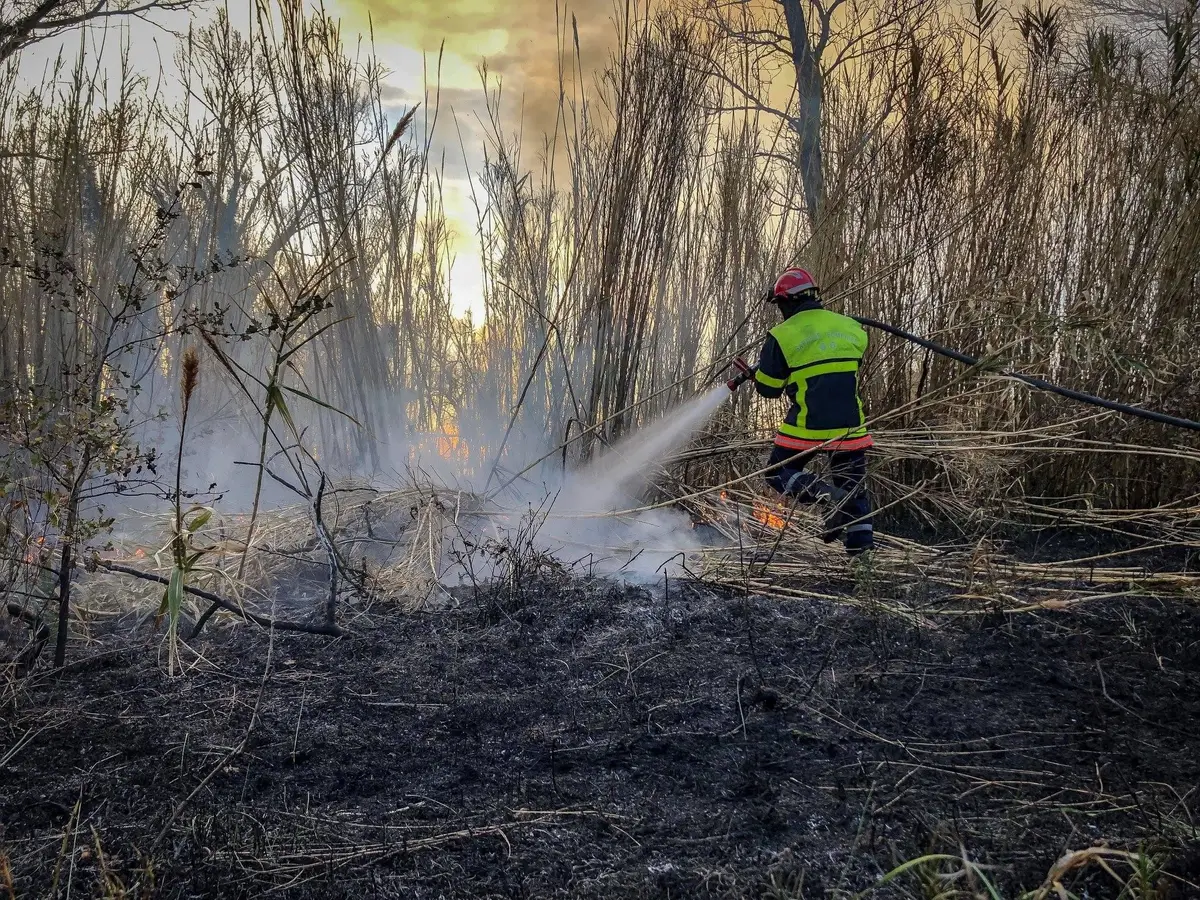

Mega-fires are raging across South America, calling for new tactics as the forest fires are intensifying. South American nations are facing a series of unprecedented disasters. Record temperatures are sweeping across the continent following the hottest January ever recorded globally.
Chile suffered the worst devastation, with a fire claiming the lives of at least 131 people in the coastal region of Valparaíso, which quickly became a national tragedy. The previous year, at least 23 people died in summer fires. However, other countries are also feeling the impact. A fire in Los Alerces National Park in Argentina has engulfed more than 6,000 hectares, whilst fires covering more than 17,000 hectares ravaged Colombia in January.
Accountability, climate change and governance challenges
In 2023, the Copernicus Atmosphere Monitoring Service reported intense forest fire activity in South America. Humans are largely to blame, with 99.7 per cent of the fires attributed to carelessness or negligence. The effects of climate change are exacerbating this crisis. With El Niño, a weather pattern that causes sea temperatures in the Pacific to rise. As well as heatwaves, which make wildfires more uncontrollable.
Governments have increased funding for prevention and response, but implementation remains uneven. Although environmental laws have been passed, critics question their enforcement. The fires have highlighted shortcomings in land-use planning and building regulations. Urban areas are suffering major impacts.